THE HARVESTS

AN IMMERSIVE JOURNEY INTO QUÉBEC'S HARVEST SEASON AND CREATIVE SPIRIT

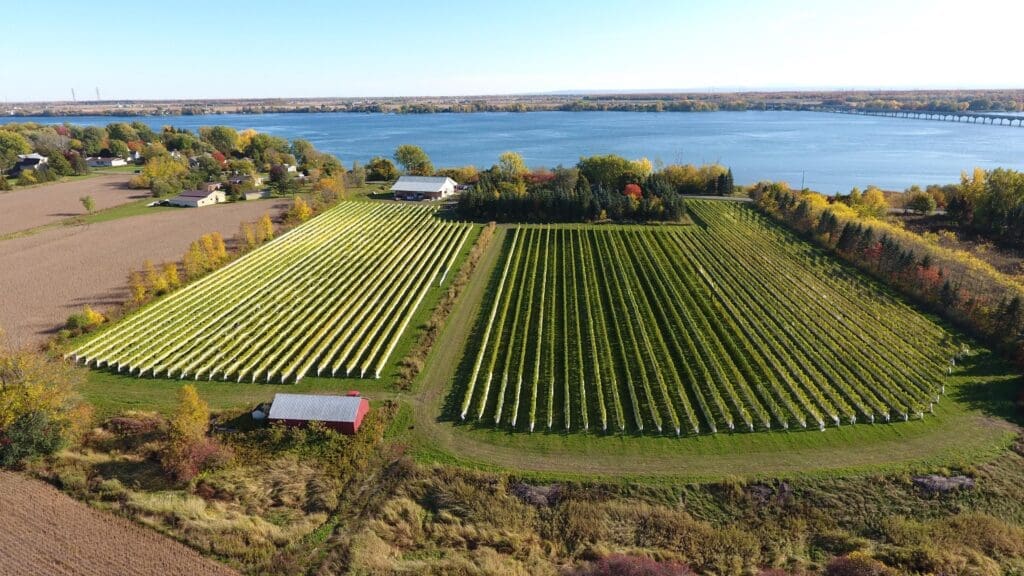
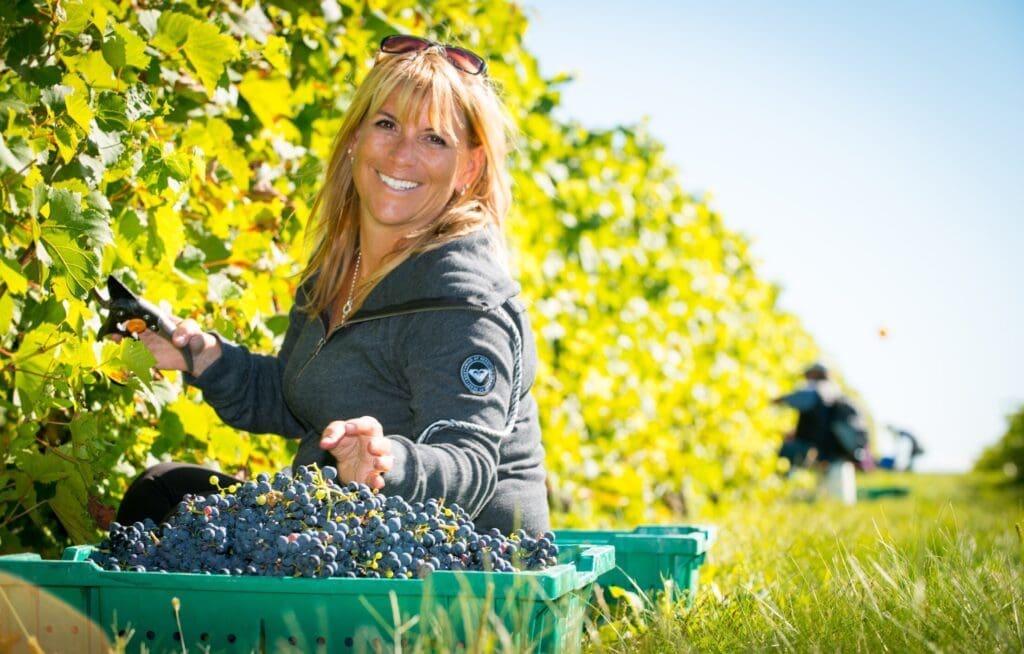
Grape harvesting isn’t just for France or Spain anymore — it’s happening right here, in the heart of Québec’s beautiful vineyards! Becoming a grape harvester for a day means taking part in that special moment when the grapes reach peak ripeness and are ready to be transformed. It’s an authentic experience where harvest time goes hand in hand with learning, connection, and simple pleasures.

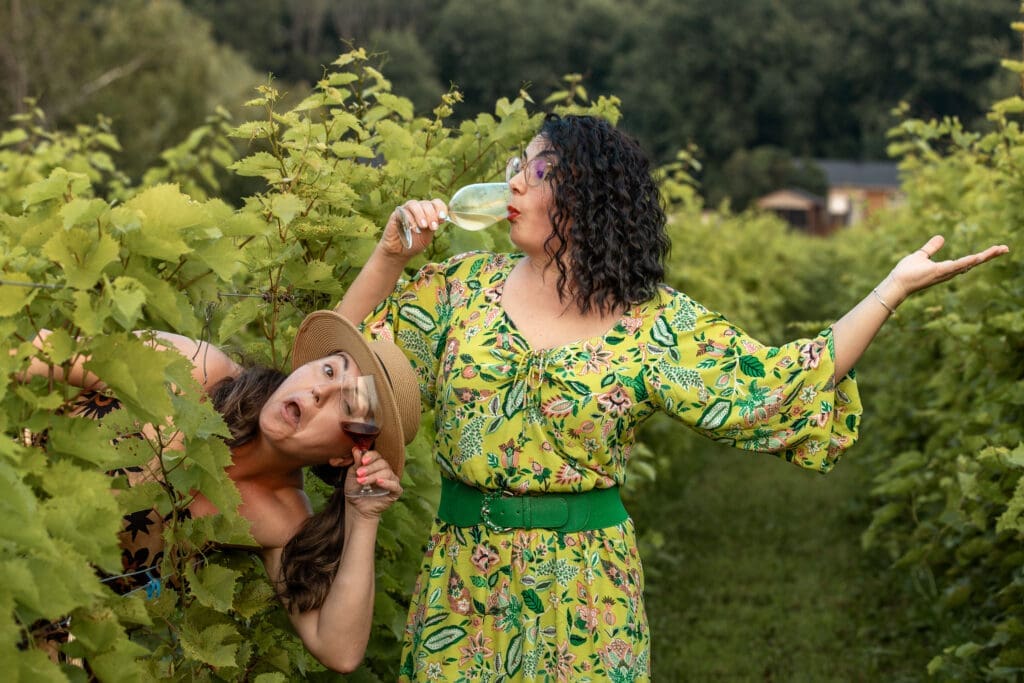
Crédit photo: gladassfanny

A CLASSIC HARVEST EXPERIENCE

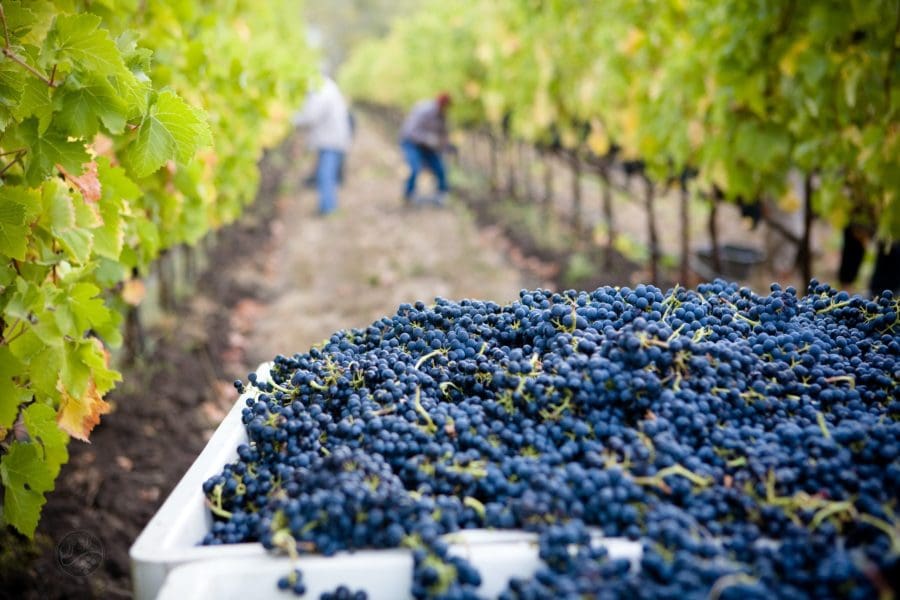
Doing the grape harvest in Québec means spending a few hours at the end of summer or in the fall picking grapes at their peak ripeness. Vineyard owners will provide you with pruning shears, a bucket, and a stool in exchange for your help. It’s the perfect chance to roll up your sleeves, chat with the winemakers, and get a close-up look at how wine begins. At some vineyards, you can even crush the grapes using a traditional press—just like in the old days! Best of all, you’ll leave with great memories, new connections, and the sweet scent of fresh grapes.

There are about 180 vineyards across Québec, but not all of them are open to the public—and only a handful offer grape harvesting activities. It’s a popular experience that only lasts a few weeks, and spots fill up fast! So don’t wait—book early!

Here’s what Québec vineyards are offering for the 2025 grape harvest season >>

Copyright: Unsplash

A WELL-EARNED REWARD AWAITS

To attract grape harvesters for a day, vineyards get creative and add delicious extras to the experience. Here are a few examples:

  • A guided tour of the vineyard and facilities

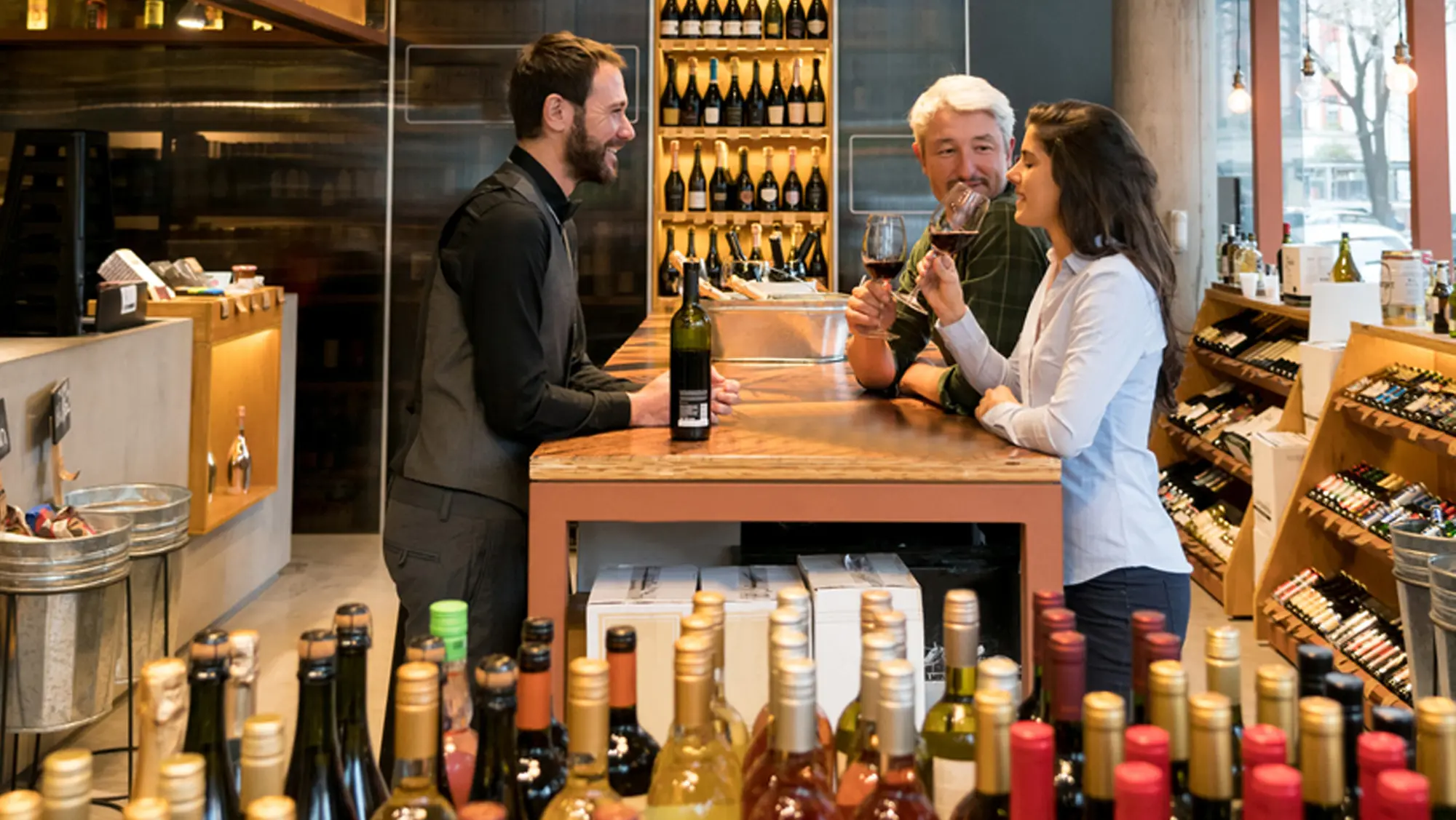
  • A guided wine tasting, sometimes paired with local products

  • A complimentary meal or picnic basket

  • A souvenir gift and/or a bottle of wine

  • A gift card

  • And more

WHAT YOU’LL NEED

Harvesting grapes by hand is physical work. For hours, you’ll be walking, bending, standing, sitting—often under the hot sun! Make sure you come prepared.

• Work gloves
• Hat or cap
• Water bottle and snacks
• Sunscreen and sunglasses

WHEN?


Grape harvest season depends on the weather.

Grapes need to reach optimal ripeness before they can be picked.

In general, harvesting takes place from late summer to early fall, typically from late August to mid-October.

WHAT’S THE COST?

At many vineyards, the grape harvest experience is free!

That said, each vineyard offers its own unique experience, so costs may vary depending on what’s included—wine tastings, guided tours, meals, gifts, and more.

In general, prices range from $0 to $35 for the day.

WHAT’S A “CHAI”?

In the world of winemaking, a “chai” is the building, or group of buildings, where grapes are turned into wine. It’s where all the magic happens, from the moment the harvest arrives to the final bottling. The term is also sometimes used to describe a wine cellar, where wine is stored and aged.

Vignoble Rivière-du-Chêne

Copyright: Vignoble Rivière-du-Chêne

RESERVE NOW!

Each vineyard has its own unique offer and way of doing things. Our tip: find the vineyard that suits you best, and reach out to them directly by email or through their social media to get all the details and make your reservation.

THE MAGIC OF GRAPE HARVEST SEASON AND WHY IT'S WORTH IT!

A DEEP DIVE INTO THE ART OF WINEMAKING

Grape harvest season is your chance to step into the winemaker’s world, hand-picking grape clusters and even taking part in the first steps of turning them into exceptional wines!

AN UNFORGETTABLE MOMENT IN A PICTURESQUE SETTING

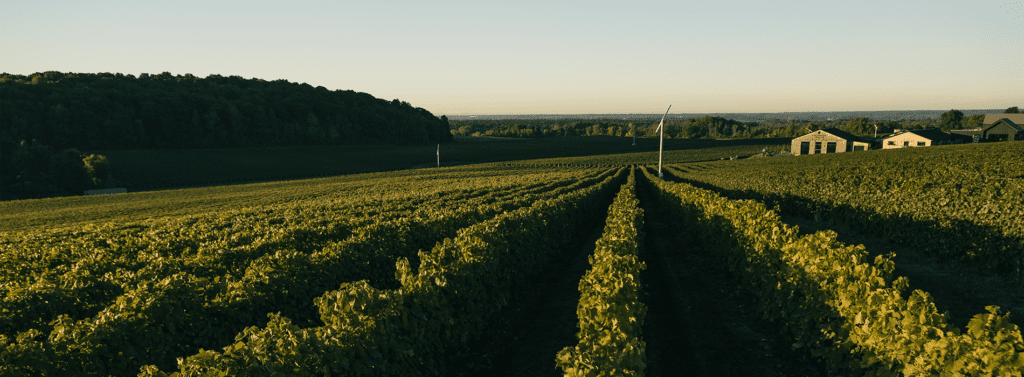
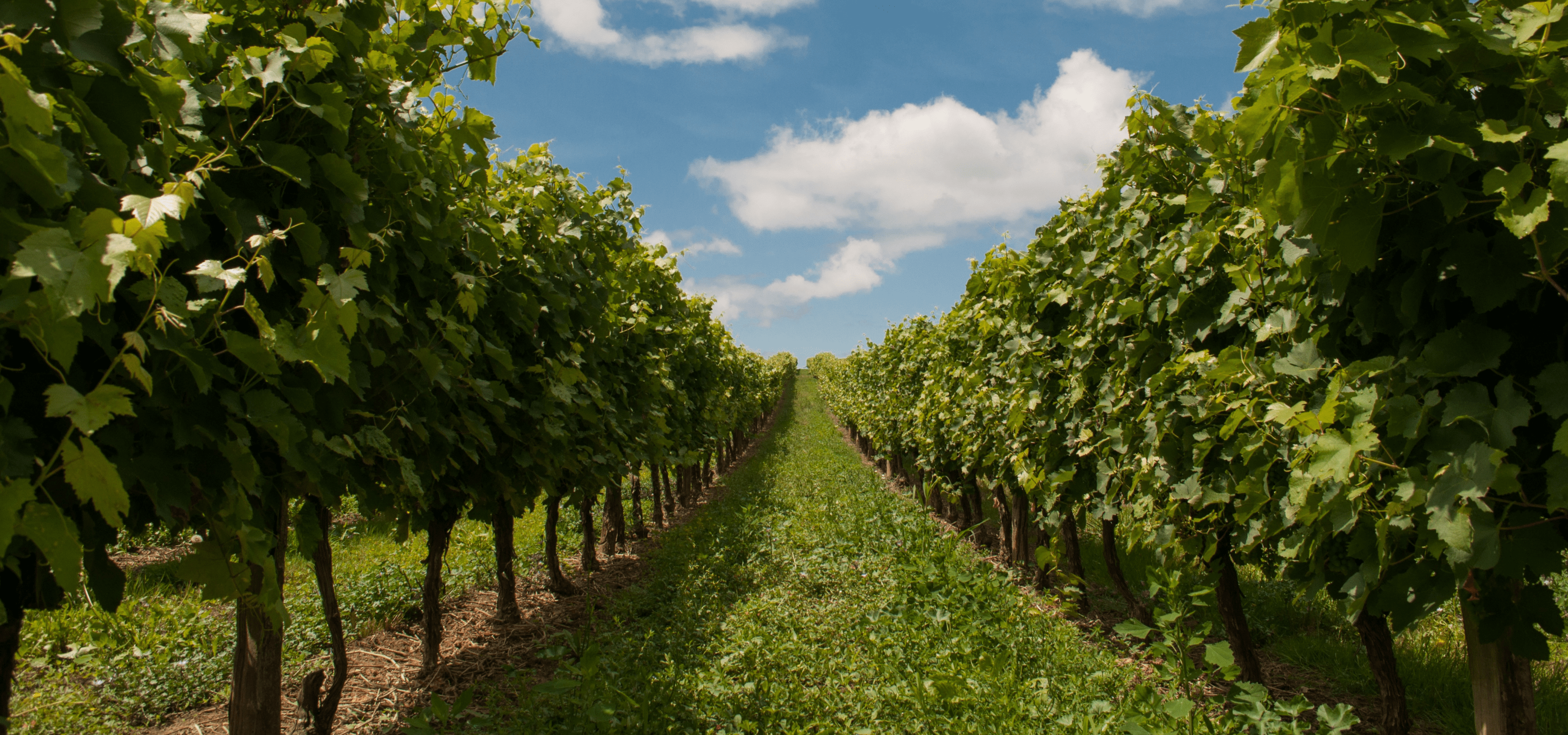
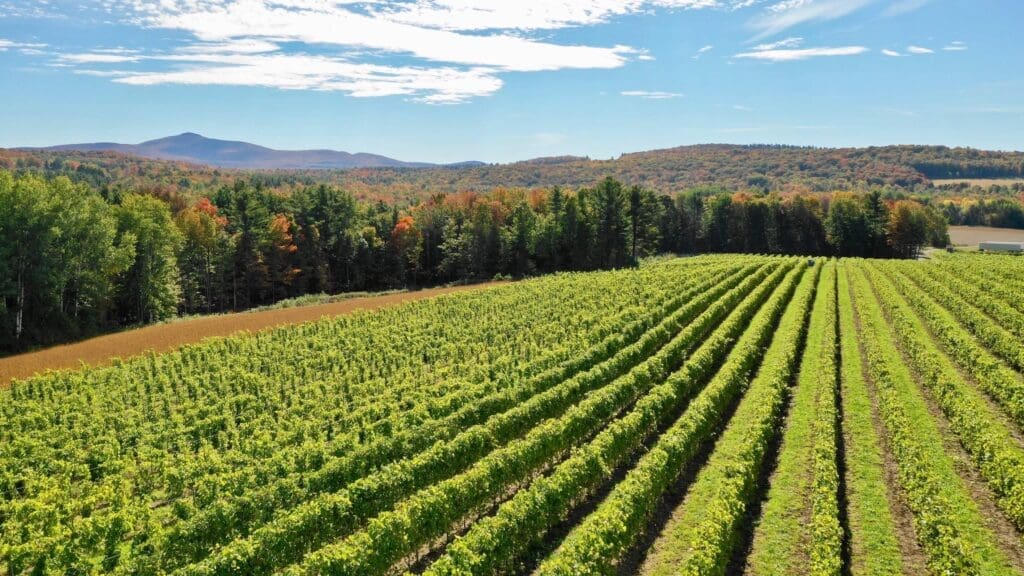
Imagine spending a day breathing in fresh country air, surrounded by vineyards and trees aglow with autumn colours. it’s a true rendezvous with nature and québec’s craftsmanship.

NO EXPERIENCE REQUIRED

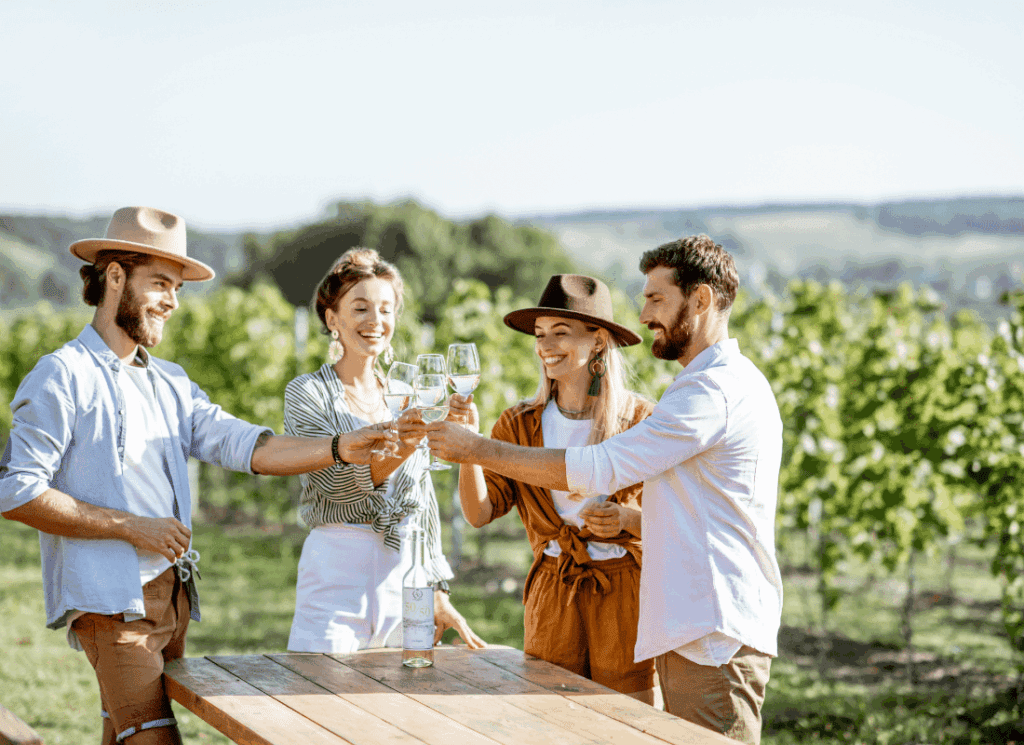
Whether you're a wine enthusiast, curious to learn more about the winemaker’s craft, or simply looking for a different kind of adventure, grape harvesting is for everyone. it’s also a wonderful opportunity to share a meaningful moment with friends, family, or even new faces.

Copyright: IOFOTO

GRAPE VARIETIES GROWN IN QUÉBEC

More than a dozen grape varieties are grown in québec. among them:

  • Frontenac noir (used to produce deeply coloured, refined and aromatic wines)
  • Frontenac blanc (fresh wines with notes of tropical fruit, pear and peach)
  • Frontenac gris (light white wines with peach aromas, or beautiful rosés)
  • Vidal (one of the most widely grown varieties in québec—nearly half of winemakers have at least one plot)
  • Seyval blanc (used to craft excellent light white wines or ice wines)
  • Saint-pépin (with aromas of honey and white flowers)
    riesling (rich in complexity, and one of the most aromatic varieties)
  • And many more!
Copyright : RossHelen
Copyright : Vignoble de l'Orpailleur

THE IGP QUEBEC WINE DESIGNATION

Just like Agneau de Charlevoix, ice cider, neuville corn, and the more recent farmstead cheese, quebec wine is part of the province’s family of reserved designations.

recognized in 2018, the igp vin du québec label guarantees the traceability and quality of wines. each step of the process, from growing to bottling, is carefully verified.

by definition, a wine with the protected geographical indication vin du québec must be made from 100% québec-grown grapes, specifically within the designated igp area. this zone is bordered by the laurentian mountains to the north, the u.s. border to the south, ontario to the west, and the appalachians to the east.
We also suggest

See all