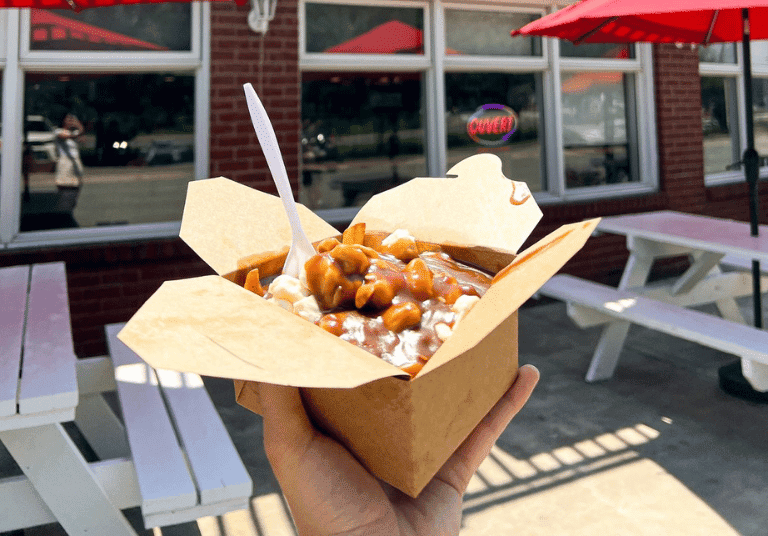
A beloved staple of Quebec cuisine, poutine speaks volumes about our food culture, our terroir, and the way we come together around a meal, whether it’s with family, friends, or during a day of culinary touring. 🍟
Where Does Poutine Come From?
Quebec’s favorite trio was born in rural snack bars in Centre-du-Québec in the 1950s.
Its exact origin is still debated, but food historians agree that it came together in stages: first fries with squeaky cheese curds, then fries with brown gravy, and eventually, the full combo—fries, gravy, and cheese. Two names are often credited with those early versions of this iconic dish: Fernand Lachance, at Café Idéal, later renamed Le Lutin qui rit—in Warwick, and Jean-Paul Roy, of Le Roy Jucep restaurant in Drummondville.
For a long time, poutine was mostly found in regional snack shacks and cheese shops, but in the 1960s and ’70s, it began to spread to cities like Quebec City. By the 1980s and ’90s, it had earned its place on menus all across the province.
FUN FACTS
The largest poutine ever made was created in Warwick in 2019, it weighed a whopping 3,034 kg!
(Source: La Nouvelle Union)
@Fromagerie l’Ancêtre
Although some mystery still surrounds its exact origins, Geneviève Sicotte, author of Poutine: Culture and Identity in an Uncertain Country—believes that’s not the most important question to ask.
The retired professor from Concordia University’s Department of French Studies, whose research focuses on cultural representations of food, argues that the conversation around poutine should go much deeper.
“My starting point in writing this book was to understand how poutine became such an emblematic dish, one that represents us as Quebecers,” she explains.
Beyond the plate, poutine has become a powerful cultural symbol, a true unifier.
“In just a few decades, poutine has overtaken classic Quebec dishes like ragoût de pattes, fricassée, gibelotte, and cipaille to become our most recognized food,” she writes in her book. “It established itself—almost invented itself—as a new national dish.”
She also emphasizes a key point: “A food only becomes part of a culture’s identity if it’s eaten, appreciated, and celebrated by the people,” she says. And that’s certainly the case for poutine, loved across the province.
Just think of Drummondville’s Poutine Festival, held every August since 2008, or La Poutine Week in Montreal, going strong every February for the past 13 years. Not to mention the iconic takes by chefs like Martin Picard, known for his famous foie gras poutine, proof that this dish is indeed a cultural star in Quebec.
You’ll even spot it on menus in far-flung places around the world, like Bangkok Poutine, the restaurant opened by Quebecer Bruno Blanchet in Thailand.
FUN FACTS
Economy: In Quebec alone, it’s estimated that over 3,000 restaurants, from snack bars and diners to major chains, serve poutine on a regular basis.
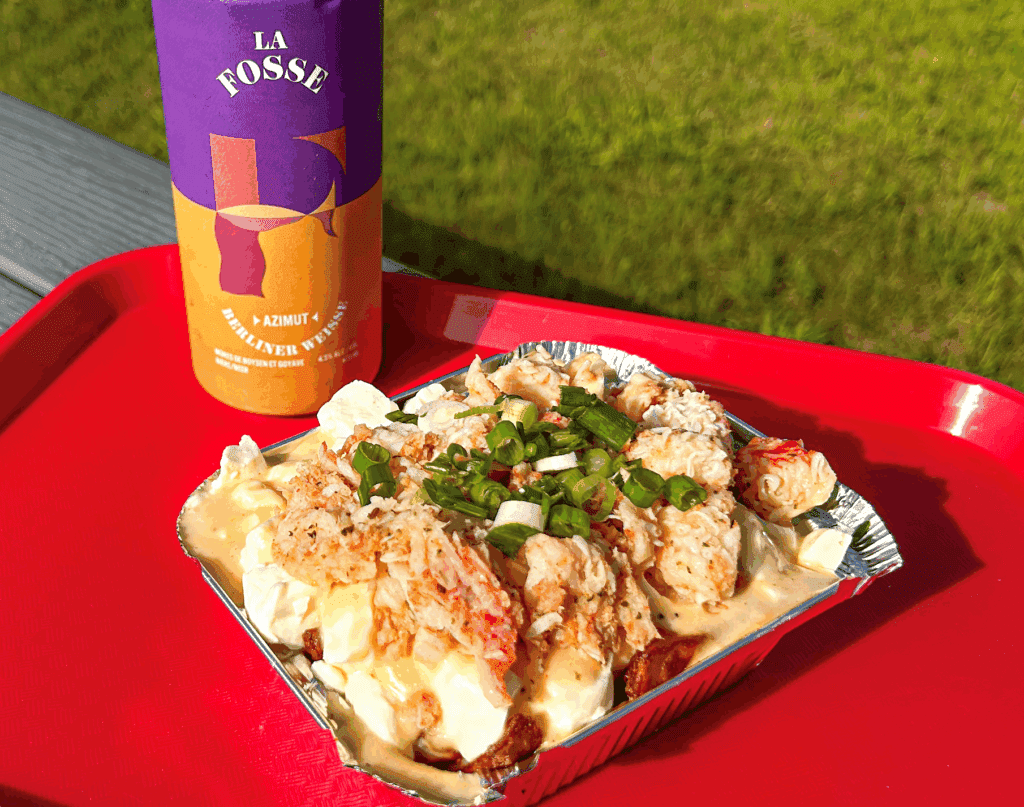
@Casse-Croûte du Roy – Seafood Poutine
Where to Enjoy Poutine in Quebec?
Craving a taste of Quebec creativity, served in a bowl of poutine? Here’s a round-up of great spots across the province where this iconic dish takes on delicious new flavours:
- Les Couleurs de la Terre – Mauricie: Located in Yamachiche, Les Couleurs de la Terre is a farm specializing in growing and transforming potatoes. At their on-site farm restaurant, open from May to November, Thursday to Sunday, they serve up some seriously good poutine, along with chips, gnocchi, and more. Each month, they create a seasonal poutine in collaboration with local producers.
- Casse-Croûte du Roy – Capitale-Nationale: In Deschambault-Grondines, this family-run project was revived in 2023 by Johanne, her son, and son-in-law. Their homemade fries, family recipes, and use of regional products (including their own squeaky cheese curds!) set their poutine apart. Served in a setting that blends tradition with gourmet flair, you can also pair it with local craft beer.
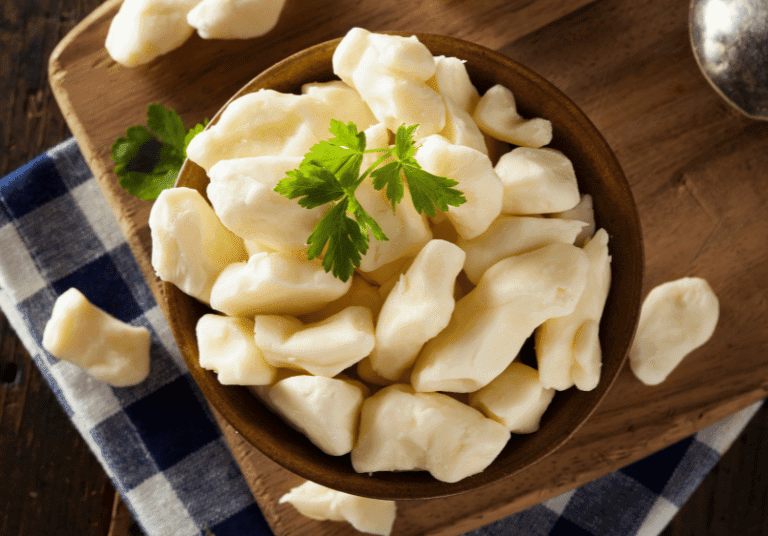
- Fromagerie Saint-Guillaume – Centre-du-Québec: Based in Saint-Guillaume, this cheese factory has been making cheese curds for over 75 years—alongside aged cheddars, Swiss, and grillable halloumi. While you can’t order poutine on-site, they do offer an interpretation centre where you can learn all about cheesemaking, from cow to curd. If you’re lucky, you can even watch production in real time through the large viewing window into the factory.
- Cassis Monna et Filles – Capitale-Nationale: In the mood for a gourmet twist on a classic? Head to La Monnaguette, the casual eatery at Cassis Monna et Filles in Saint-Pierre-de-l’Île d’Orléans. While the family-run blackcurrant winery is known for its creams, syrups, and wines—and even houses a Liquorist Économuseum, their summer terrace and creamery celebrate local flavours in every bite. Don’t miss their decadent duck confit poutine with cassis wine sauce made from their Le Capricieux.
FUN FACTS
Consumption: Nearly 80% of Quebecers say they eat poutine at least once a year, and about 25% enjoy it at least once a month.
(Source: CROP surveys)
Want more tasty poutine spots? Check out the Terroir et Saveurs du Québec directory to find the real deal across the province.