Cider: A Taste of Québec in a Bottle
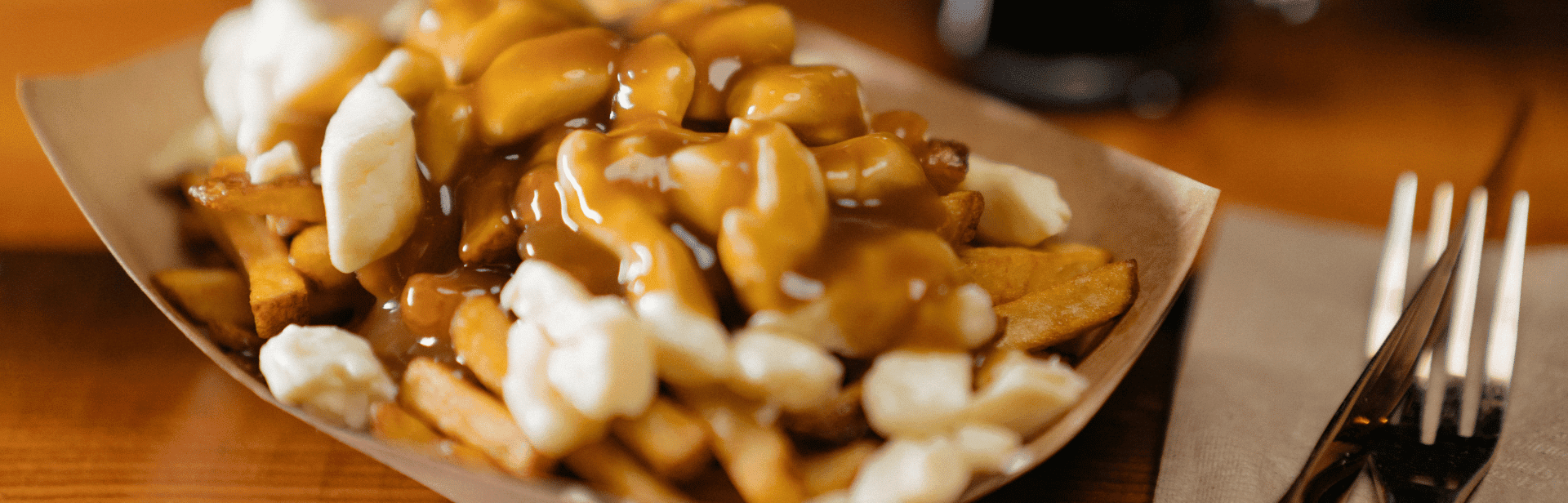
When you think of Québec, you probably think of maple syrup, poutine… and apples! That’s right! Here, we produce over 100,000 tons¹ of apples every year. Apples are a traditional fruit in Québec, cultivated for generations. But what many don’t know is that cider is also part of our heritage, and its history goes back much further than you might expect.
Cider, at its core, is simple: an alcoholic beverage fermented from apples. But beyond that definition, it’s a true expression of our terroir. Every sip is a taste of Québec’s autumn, sweet, complex, festive, and increasingly trendy! Today, cider has reclaimed its place of honor. Let’s dive into the world of Québec cider to discover what makes it so special.
A History That Runs Deep
The story of cider in Québec begins in the 17th century, when the first French settlers arrived with apple trees in their baggage. They came from Normandy and Brittany, regions where cider flows freely. Soon enough, cider became a staple of everyday life.
When the British arrived, cider’s popularity declined in favor of beer and whisky. In the 20th century, cider took an even harder hit: liquor laws simply forgot to include cider in their regulations. The result? For nearly 50 years, it was illegal to sell cider in Québec, though some people quietly continued to make it for personal use.
It wasn’t until 1970 that cider became legal again. But at that time, most of what was available was overly sweet, industrial cider made from underripe apples. These ciders had little appeal, their sour taste and dubious quality gave cider a bad reputation.
The revival began in the 1980s and 1990s, when passionate artisans decided to focus on quality and return to the basics. It was during this period that Christian Barthomeuf invented ice cider, a luscious dessert cider made from frozen apples. This one-of-a-kind Québec product became an international hit and is now exported as far as Europe and Asia.
Today, cider is thriving again. Over 120 producers across the province craft exceptional ciders, each with its own distinctive character. It’s a local, artisanal movement that has brought cider back to its rightful place: a proud beverage rooted in Québec’s history and terroir.
A Land Made for Apples
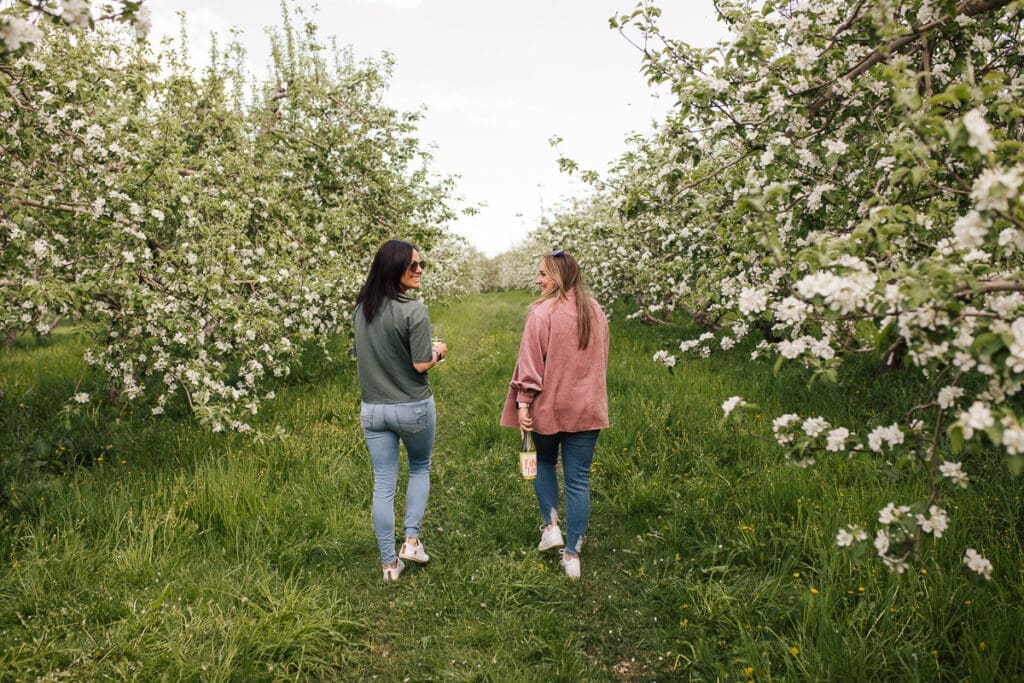
Domaine Lafrance
Here in Québec, we traditionally made cider with classic eating apples like Cortland, Spartan, McIntosh, and Lobo, the ones that crunch under your teeth on a crisp autumn day. In recent years, producers have also started planting true “cider apples,” widely used in France, which are naturally higher in tannins and perfect for creating balanced, complex ciders.
Our climate is ideal for apple growing. Cool nights and sunny fall days help the fruit develop sweetness and flavor, while the diversity of our soils gives each orchard its own character. Regions like Montérégie and the Eastern Townships are particularly renowned for their high-quality apple production. Here, apples are truly in their element.
How Cider Is Made Making cider is simple:
- The apples are crushed into a pomace—a thick apple mash that includes the skins and seeds. Some cideries let this mixture macerate for hours or even days, much like red wine, to enhance flavor, color, and texture.
- The pomace is pressed to extract juice, which is then left to ferment.
- Yeast works its magic, transforming the sugars into alcohol, and just like that, the juice becomes cider.
- Finally, it’s bottled—sometimes in cans or kegs too!
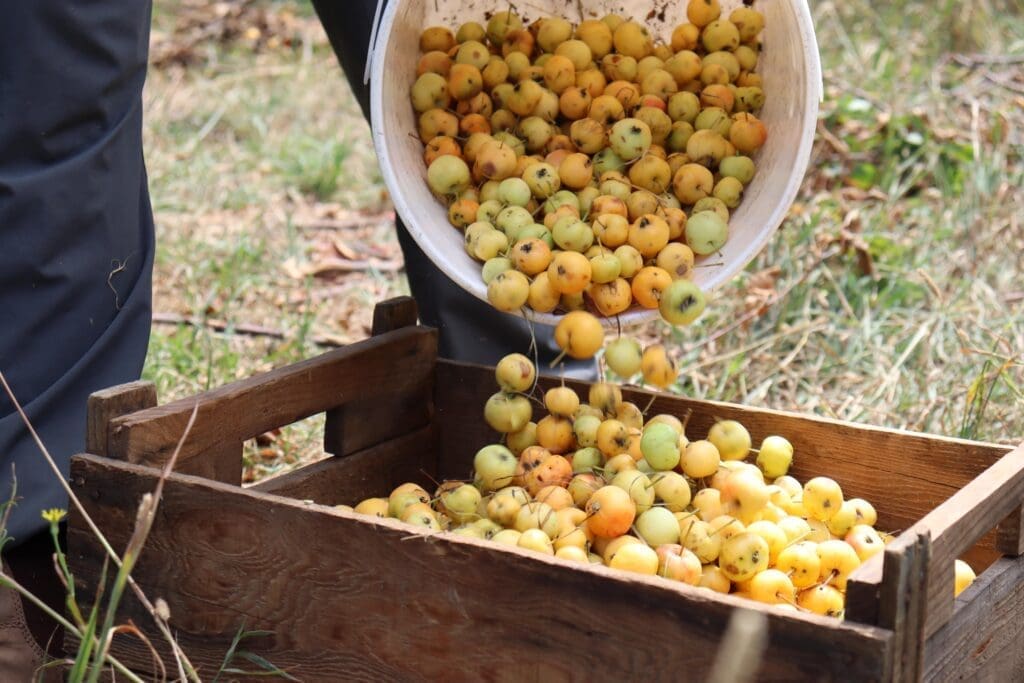
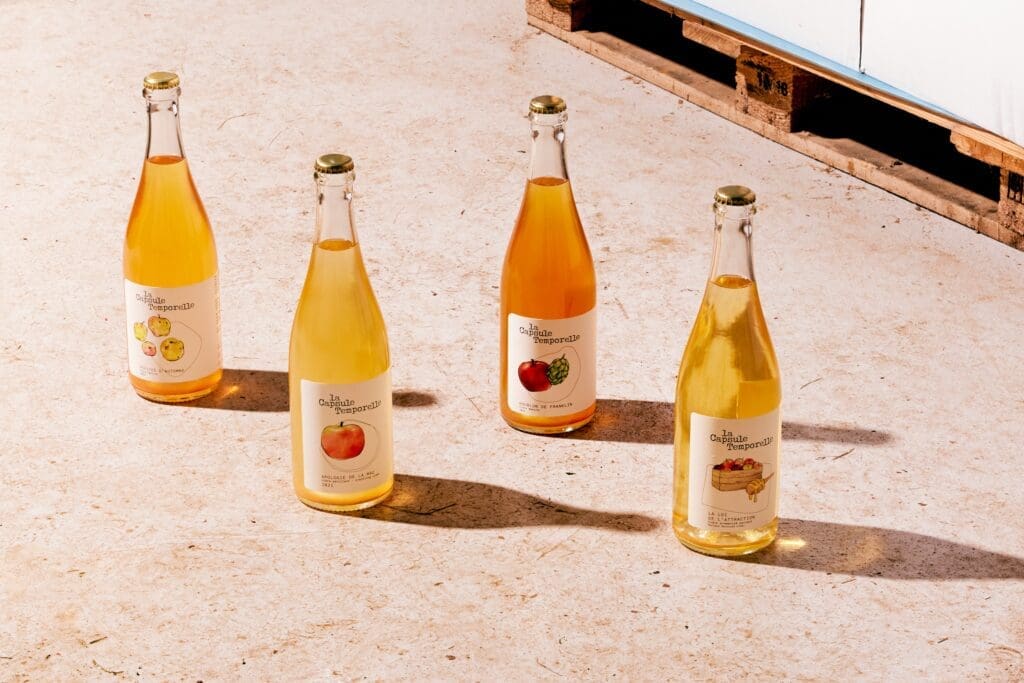
La Capsule Temporelle
Cider for Every Taste
Though still young as an industry, Québec cider has quickly earned a reputation for its quality and creativity. Each producer brings their own ideas and expertise, which is why you’ll find such an exciting range of styles and flavors today. Here are a few you might see on cider labels:
Sparkling or Still: Like wine, cider can be bubbly or still. Effervescence can be added with CO₂, as in most beers, or occur naturally with in-bottle fermentation, similar to Champagne.
Color: Most ciders are golden, but you’ll also spot rosé ciders. The pink hue comes from red-fleshed apple varieties, like Geneva, or from macerating deeply pigmented apple skins, similar to how red wine is made.
Flavored Ciders : Some ciders are infused with local fruits and botanicals such as haskap berries, hops, or sea buckthorn during fermentation for extra layers of flavor.
Ice Cider: This jewel of Québec is traditionally made from apples that have naturally frozen on the tree, then pressed to extract a concentrated, sugary juice. After fermentation, it becomes a rich, dessert-style cider. Today, many producers use cryoconcentration, freezing the apple must to concentrate its flavors and sugars before fermentation.
Filtered or Unfiltered – Clear ciders have been filtered, while hazy ones keep their fine apple and yeast particles. These lees are full of flavor and add texture and complexity.
Pro tip: If you try an unfiltered cider, gently swirl the bottle before serving to lift the lees—it adds depth, texture, and a lively character. Just open it carefully!
Natural Cider – Usually made from unsprayed apples, fermented with only the wild yeasts on their skins, and bottled unfiltered, with minimal additives.
Pairing Cider with Food
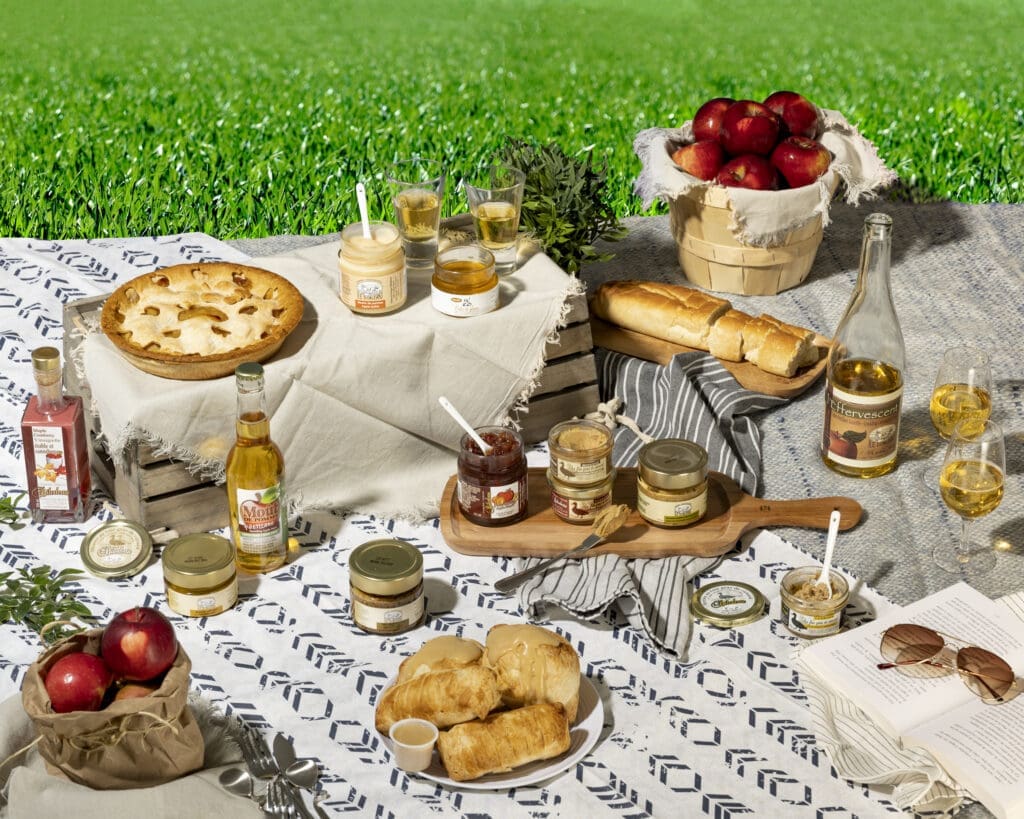
Cider is a true local delight. It’s refreshing on its own, but it really shines at the table. Here’s an easy rule of thumb: the drier and more acidic the cider, the better it pairs with salty, fatty, or creamy dishes. Sweeter, fruitier ciders are perfect with spicy foods or desserts.
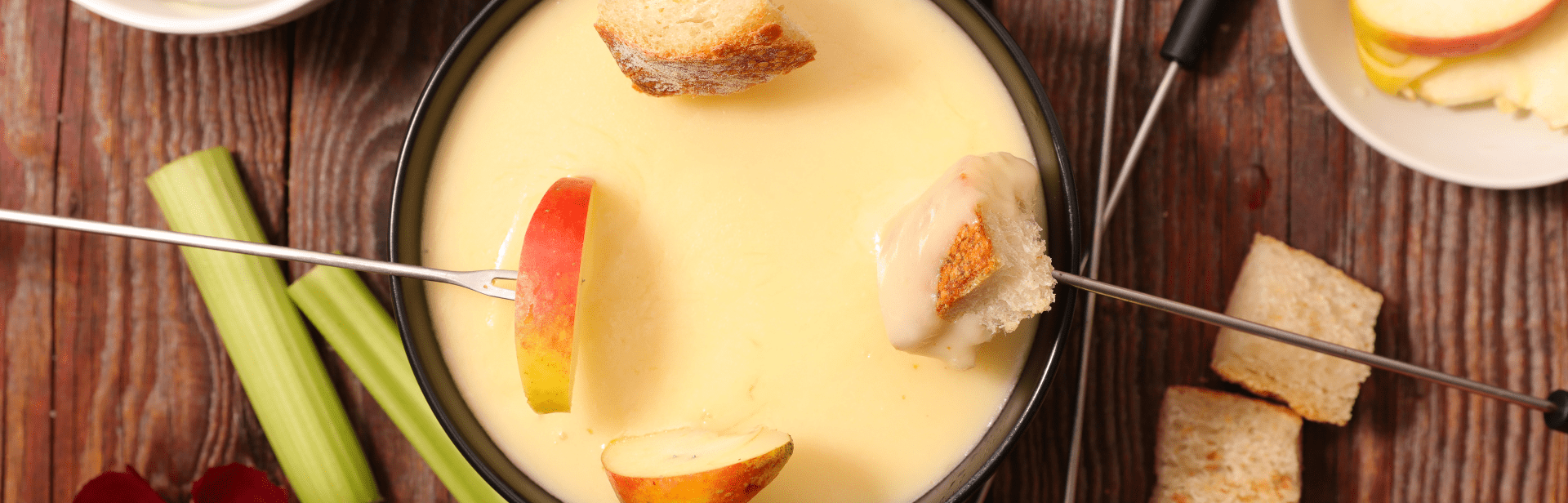
Need inspiration? Try it with cheese, grilled cheese sandwiches, oysters, charcuterie, or weekend brunch—it rarely disappoints!
Where to Find Great Québec Cider
These days, it’s easier than ever to get your hands on local cider:
- Direct from Producers: The best way to experience cider is at the source! Visit a cidery, meet the maker, taste their creations, and bring a few bottles home. To find cideries to visit, check out our directory >>
- Specialty Shops – Perfect for discovering small-batch and artisanal gems. To find special shops to visit, check out our directory >>
- SAQ Stores: Stock larger brands, ice ciders, and some craft ciders.
- Grocery Stores & Convenience Stores: Often carry the main brands and a few artisanal options.
- Events & Festivals – Events like Soif de Cidre and Bières et Saveurs de Chambly are great opportunities to taste a wide variety of ciders and meet the people behind them.
A Final Word
Cider is simple, local, and full of character—a true taste of Québec’s land and history. Visit our cider producers, explore their creations, and you’ll likely leave with a few bottles… and a new love for this homegrown treasure.
For more information, check out the Association des producteurs de cidre du Québec, a great resource to dive deeper into the world of Québec cider.